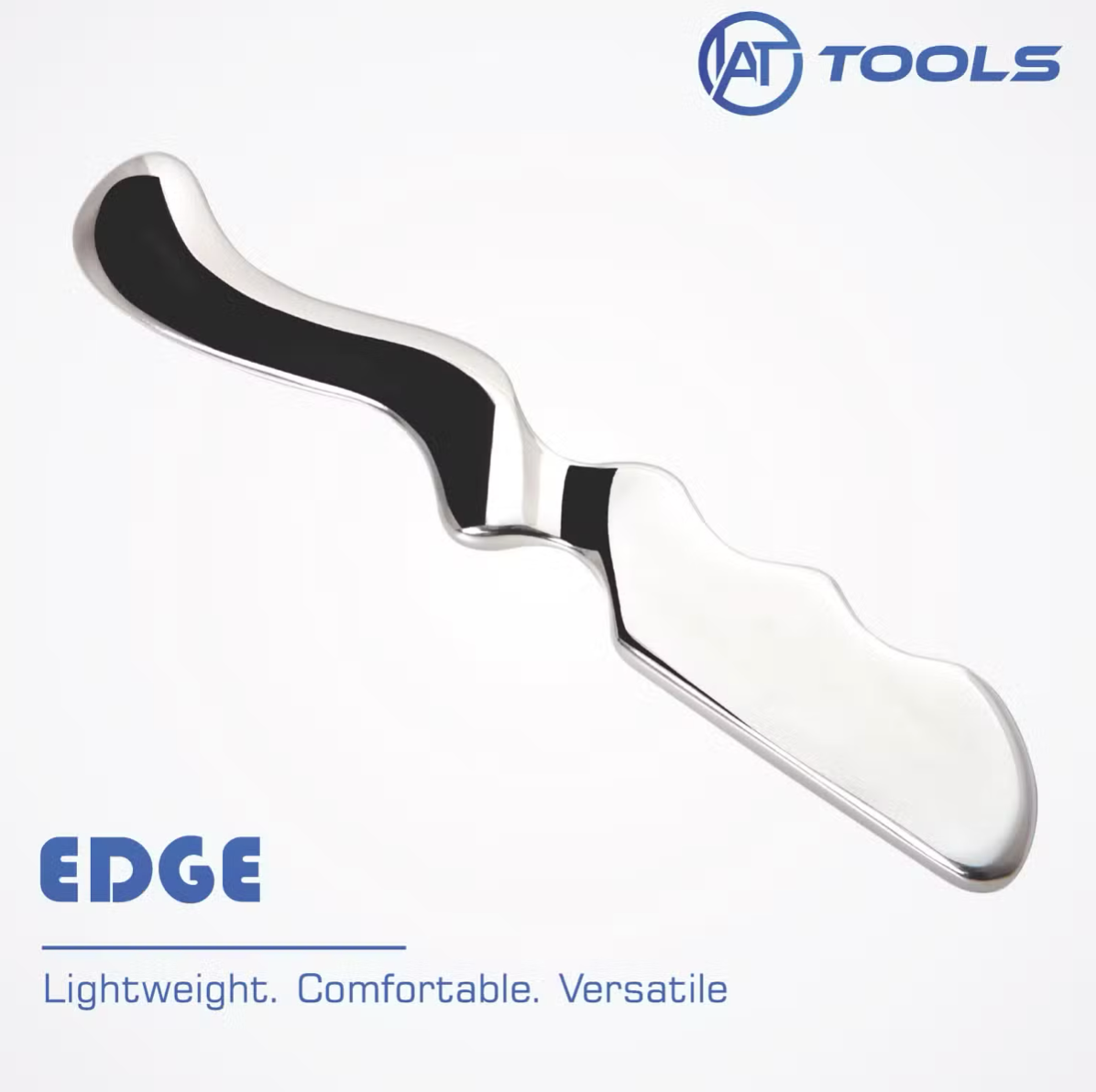
Lightweight IASTM Tool for Curved Structures – The IAT® Edge.
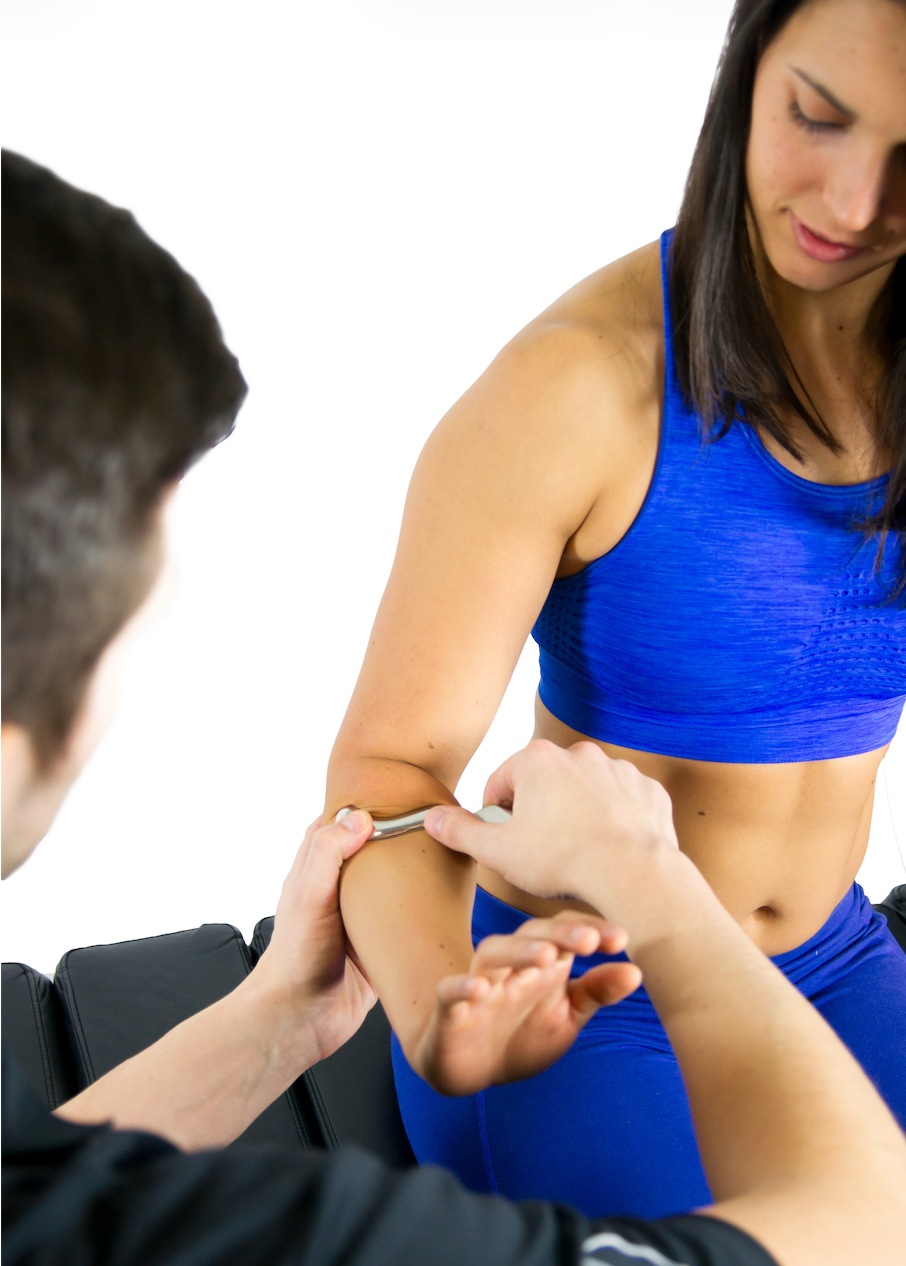
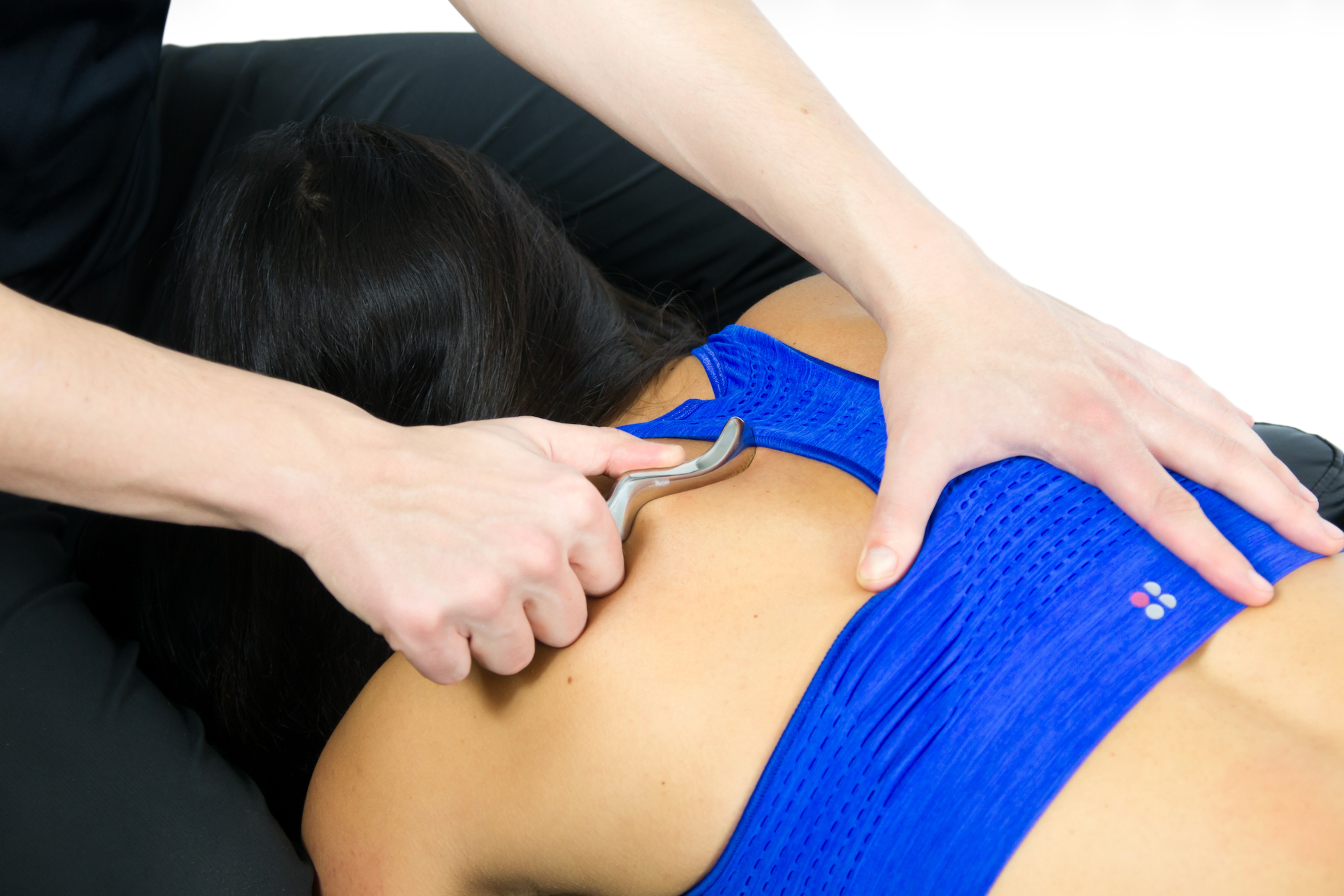
Designed to sit naturally in the hand, the Edge combines practitioner comfort with precise force on convex anatomy — ideal when you need control on the neck, forearm, calf, foot or mid-back.
$425 USD - before discounts. Includes IASTM Tool, Free International Shipping, Tray, and Travel Case.
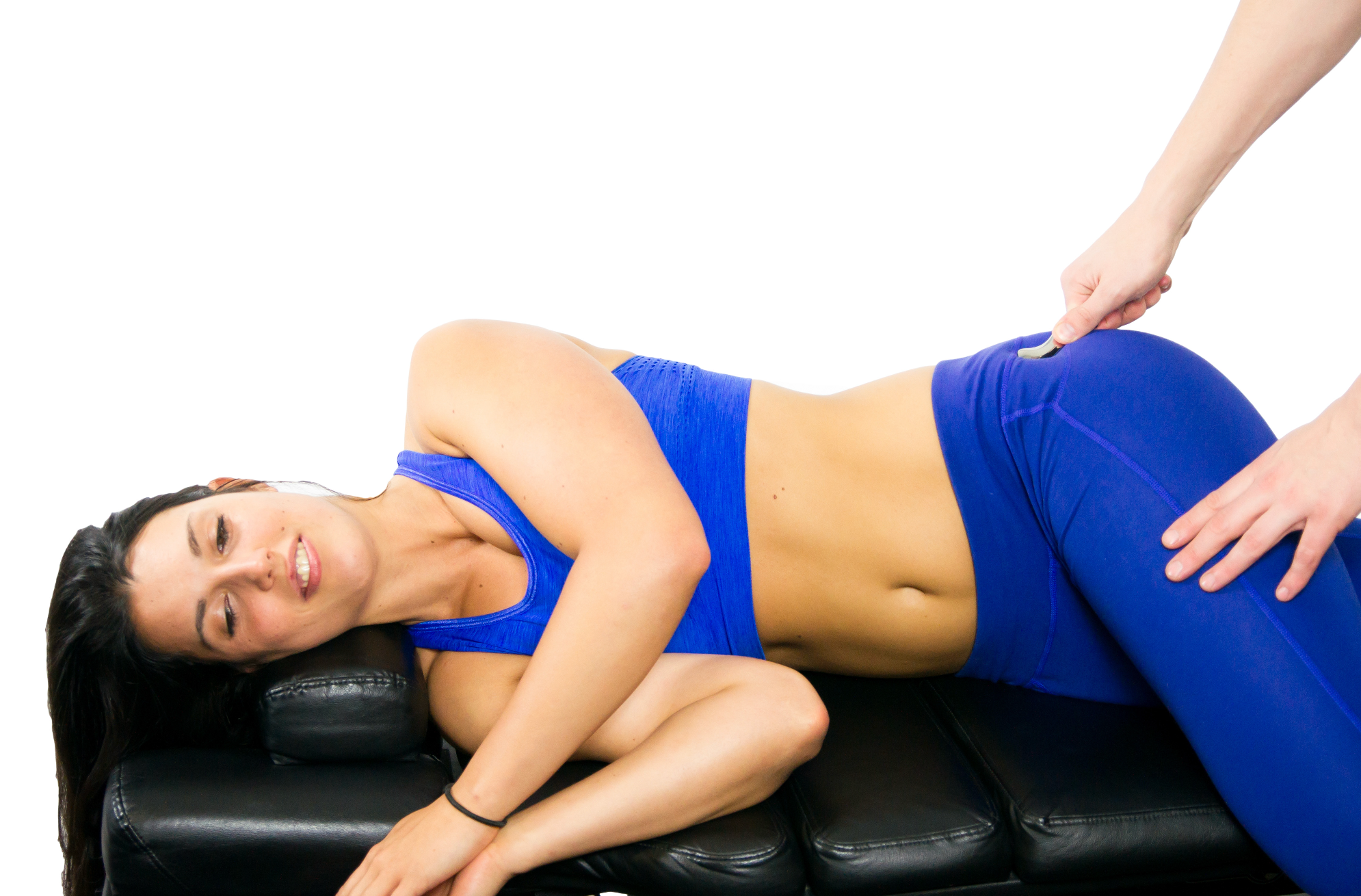
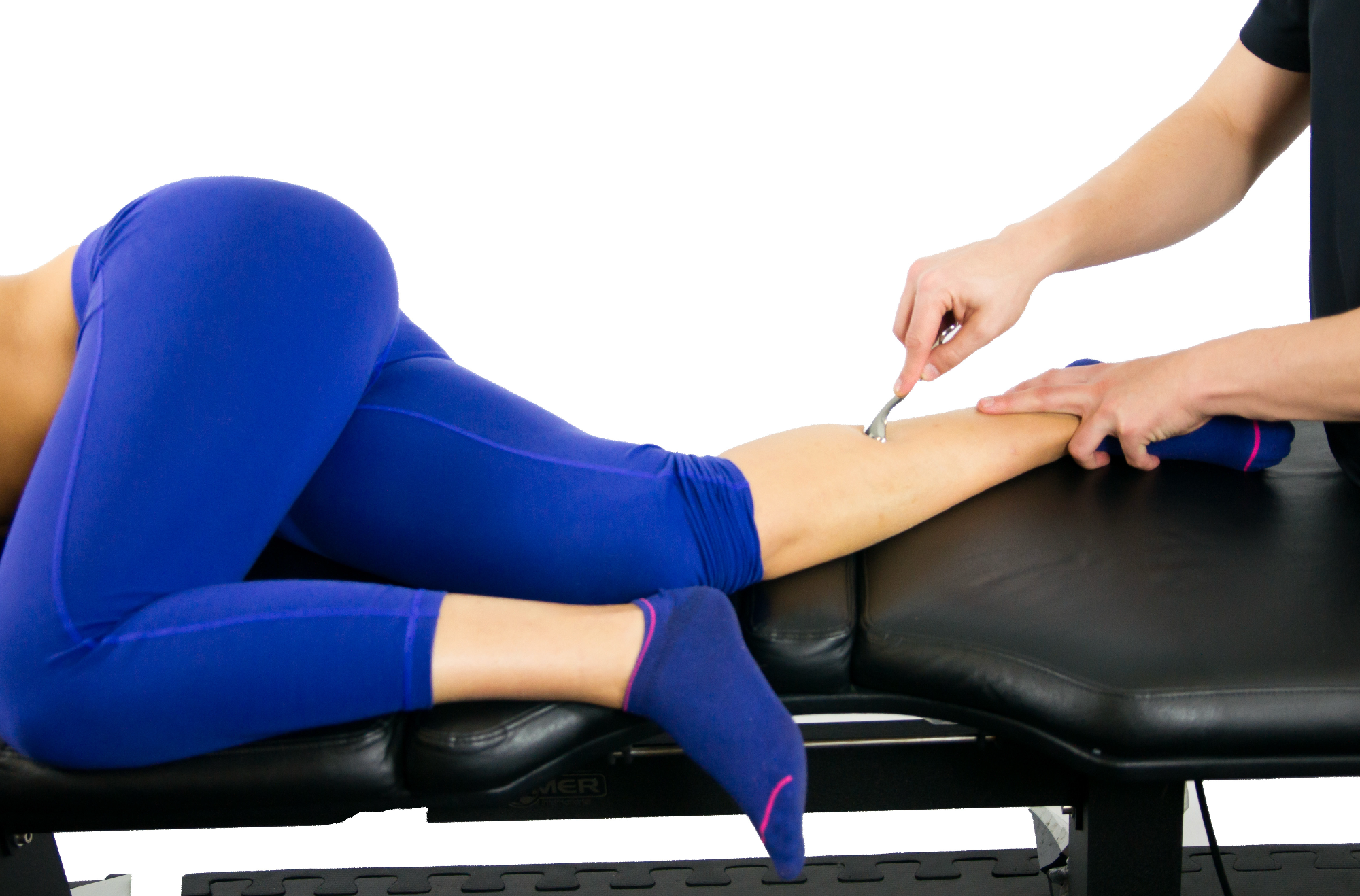
The IAT® Edge is a small, lightweight, versatile instrument for mobilising small-to-medium soft tissue structures. Its ergonomic grip and curved profile give excellent control for both practitioner and patient. Two concave treatment surfaces wrap convex anatomy, while the large double-bevelled prow transmits force when deeper work is needed — still within patient tolerance. Pick it up and it immediately feels designed for a human hand. Forearms, neck, back, lower legs and feet are all natural applications.
New to IASTM? Start with our free Introduction to IASTM Seminar to understand how tool shape changes both diagnosis and treatment.
Why Practitioners Reach for the IAT® Edge.
- Unique Ergonomic Grip: Sits snugly in the hand for control during longer sessions without extra strain.
- Two Concave Treatment Surfaces: Follow convex structures such as the forearm, calf, neck and rounded muscle bellies.
- Convex Prow Edge: Delivers more aggressive force transmission when deeper penetration is required.
- Double-Bevelled Edges: Support less aggressive treatment and better patient comfort on sensitive areas.
- Lightweight, Compact Profile: Easy to carry and quick to switch between small-to-medium treatment zones.
Bonus Perks: Every order includes a free storage tray, durable travel case and international shipping. Tools are made and shipped from the USA; destination countries may apply customs charges.
Compare the full range on the IASTM Tools overview page.
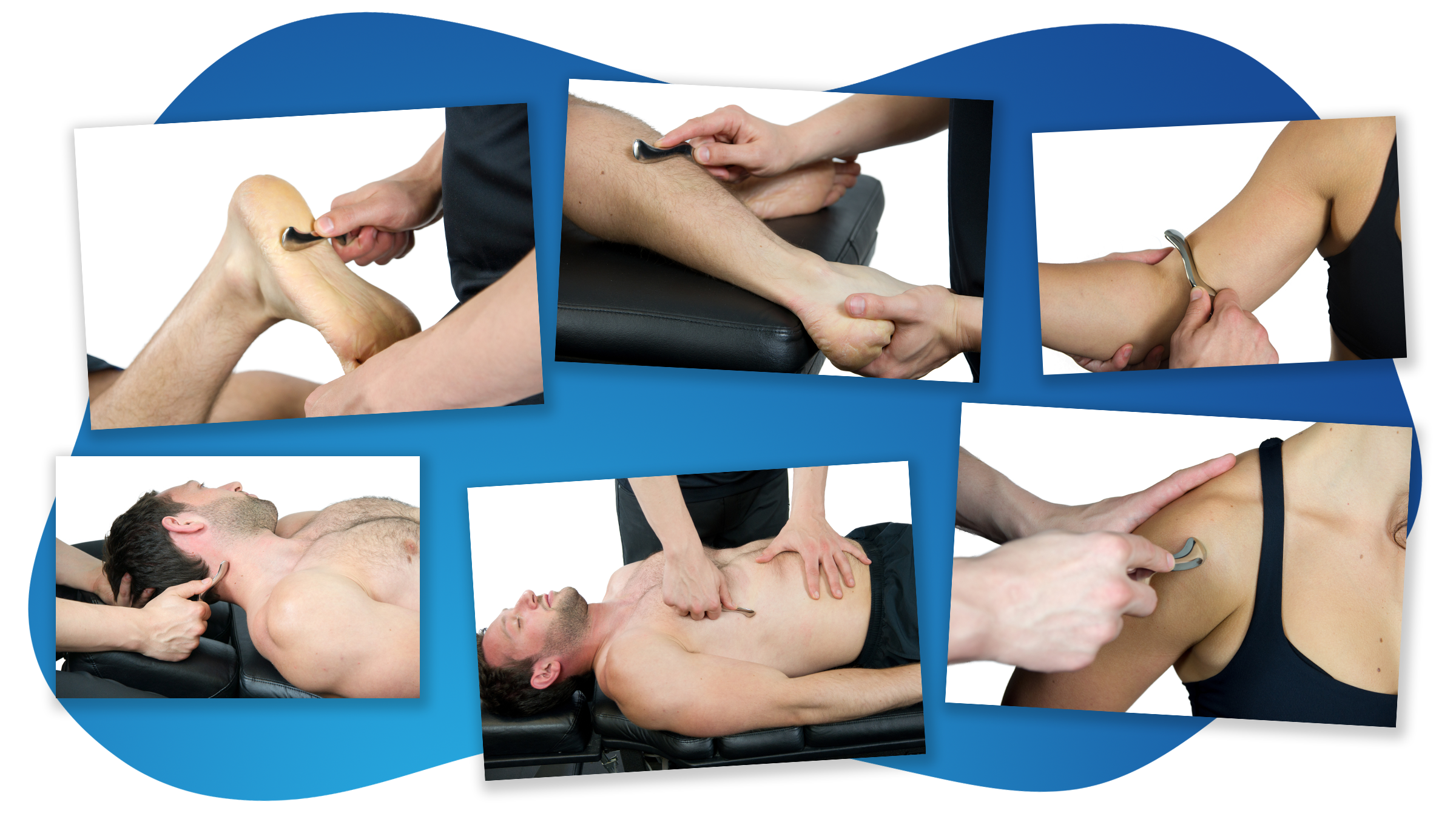
Where the IAT® Edge Fits in Clinic.
The Edge is a general-purpose instrument for small-to-medium, often curved anatomy. It supports both assessment strokes and treatment:
| Technique | Description | How the Tool Enhances It |
|---|---|---|
| Scanning Techniques | Light, controlled strokes that help locate tissue change on medium contours. | Concave surfaces maintain contact on rounded areas such as forearm, calf and neck. |
| General Massage Techniques | Broader strokes to prepare tissue and improve glide on small-to-medium regions. | Lightweight profile and ergonomic grip make sustained work on neck, back and lower leg easier. |
| Neuro-Endocrine Technique | Controlled pressure into muscle bellies to support pain and inflammation pathways. | Convex prow transmits force when you need more depth; double bevels keep contact comfortable. |
| Neurological Response Techniques | Stimulates mechanoreceptors for changes in tone, pain and mobility — supports 5 of 7methods. | Curved profile and dual surfaces give enough variety for most neurological work on small-to-medium structures. |
Typical treatment zones: forearms, neck, mid-back, lower legs and feet. Use the Focus for finer, more delicate structures and the Bar when you need length and leverage on large muscle groups.
For background on instrument-assisted work, see Physiopedia and IASTM research on PubMed.
Learn tool selection in the Intro to IASTM Tools Course (discount on IAT® Tools and seminars). Go deeper with the IAT Mini Course and Advanced Practitioner Certification.
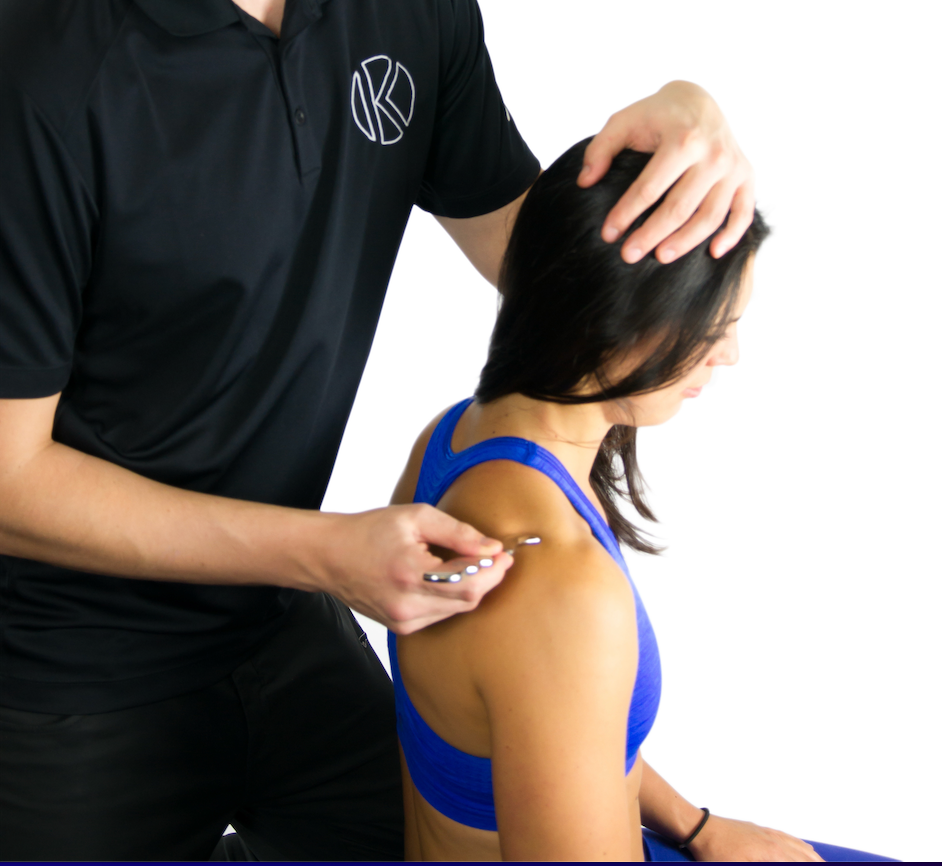
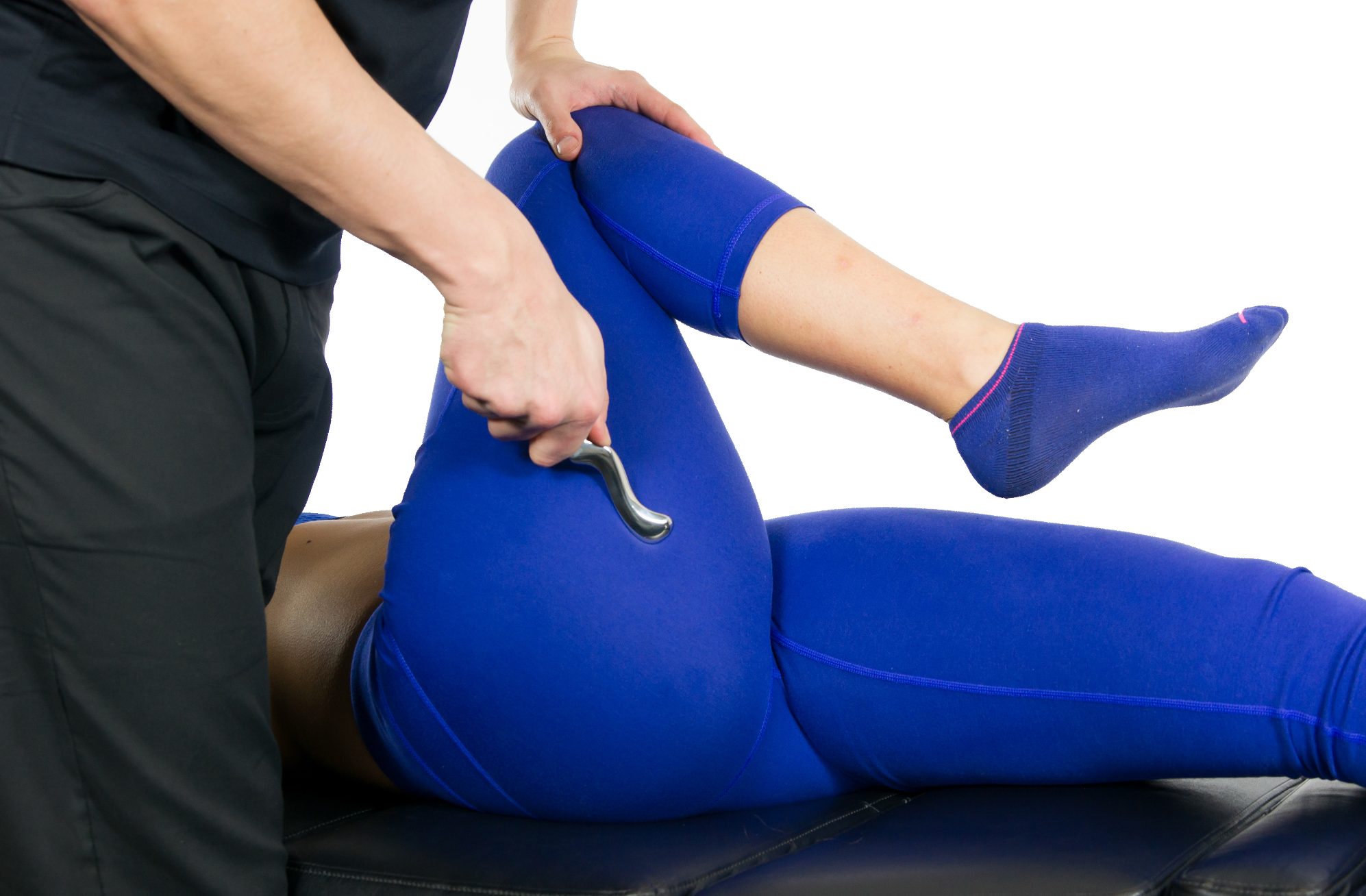
Comfort First, Without Losing Depth.
- Fits the hand immediately: Ergonomic grip reduces the “fighting the tool” feeling common with flatter instruments.
- Matches curved anatomy: Concave surfaces stay in contact on neck, forearm and calf instead of bridging over the contour.
- Two intensities in one tool: Double-bevelled edges for gentler work; convex prow when you need more force.
- Clinic and travel friendly: Small and light enough to keep in the kit without replacing a full set.
Still choosing a first or second tool? The Intro to IASTM Tools Course explains why shape, bevel and size change both feedback and fatigue.

"Great tool for small hands."
Heather Pearson - Football Medical Professional.
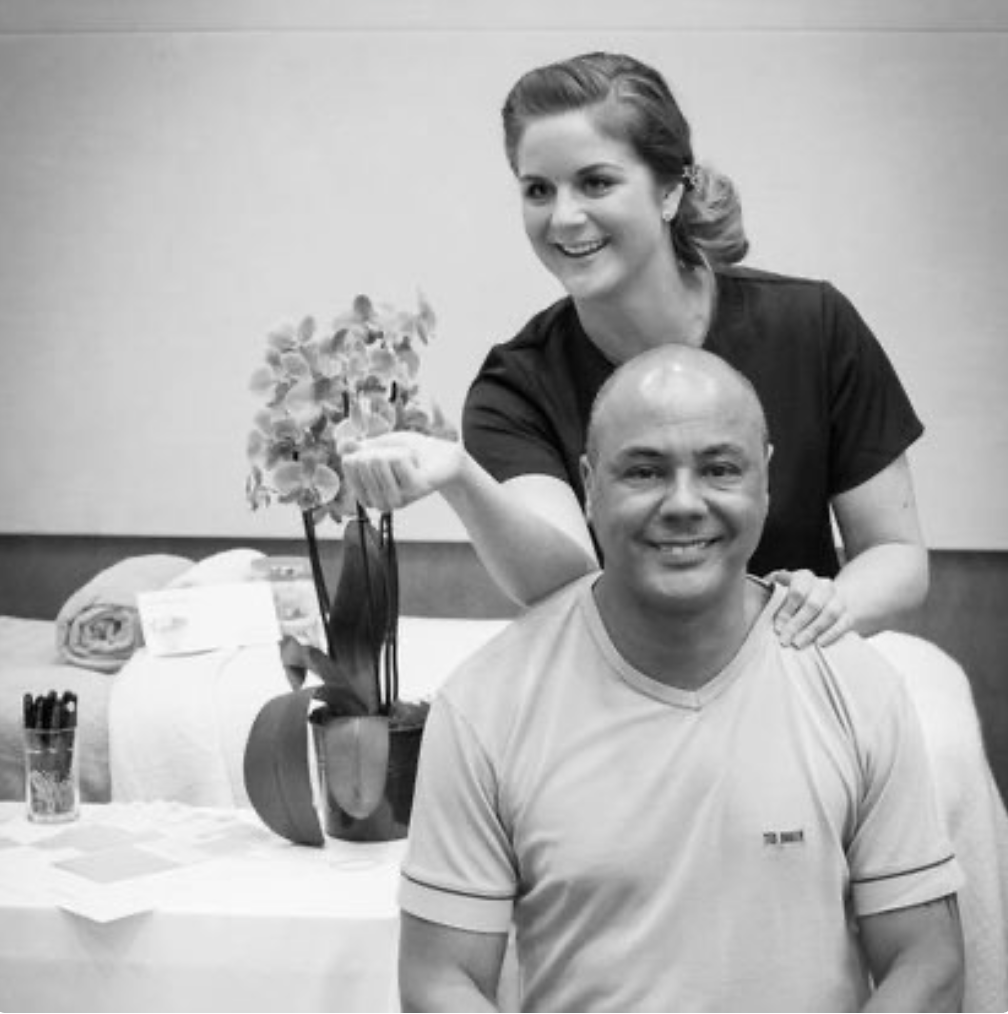
"The unique grip helps stop the tool sliding in my hand."
Chloe Burn - Massage Therapist
Frequently Asked Questions About the IAT® Edge.
- What is the Edge best for? Small-to-medium, often curved structures — neck, forearms, back, lower legs and feet — when you want comfort plus the option of deeper force.
- How is it different from the Focus or the One? The Focus is built for very small, delicate structures. The One is the all-purpose travel instrument. The Edge sits between them: curved-body contact, lightweight handling, and a prow for more aggressive work.
- Can it be used for scanning? Yes. Concave surfaces help scanning and fanning on medium contours, though the Scanner remains the dedicated diagnostic instrument for broader scanning.
- What’s included? The IAT® Edge, free tray, travel case and international shipping (customs fees may apply).
See the rest of the range on the IASTM Tools Overview.
Comfort and Control for Small-to-Medium Work.
If your caseload includes necks, forearms, calves and feet, the IAT® Edge is the lightweight instrument designed to fit both the anatomy and your hand. $425 USD - before discounts. In the tool, shipping, travel tray and case.